Wet windows in the morning: 7 free fixes that actually help
Streaming windows first thing in the morning usually mean too much moisture and not enough ventilation. These seven fixes cost nothing and work in most UK homes.

Quick answer
Wipe the glass and the sill each morning so the water cannot soak into the frames or run down the wall. Keep trickle vents open, and cut moisture at the source: lids on pans, the extractor fan on when you cook or shower, and washing dried in one room with a window ajar. A short burst of ventilation beats leaving a warm, wet room sealed up all day.
Last updated:
If you wake up to droplets on the glass, a wet window sill or a damp patch under the window, you are dealing with condensation. Warm, moist air inside the house hits a cold pane, and the water has nowhere to go but onto the glass.
Bedrooms are often the worst: we breathe out moisture all night, the door is usually shut, and the heating drops just as the glass is at its coldest. The good news is that most of the useful fixes cost nothing and do not need any kit.
If the wet patch is low on a wall, appears after rain, or comes with a tide mark, that may be a leak, rising damp or penetrating damp rather than condensation. Those need a different kind of check, not just a wipe and an open vent.
Who this guide is for: Anyone in a UK home or flat who wakes up to streaming windows, wet sills or damp around the frames, especially in bedrooms. If you already have black mould, treat the mould safely first, then use these steps to stop the glass running wet again.
How this was written: This is a short tip page with no product or retailer links and no prices. The advice follows official UK guidance from GOV.UK, the Energy Saving Trust and Shelter England on condensation, ventilation, and damp and mould.
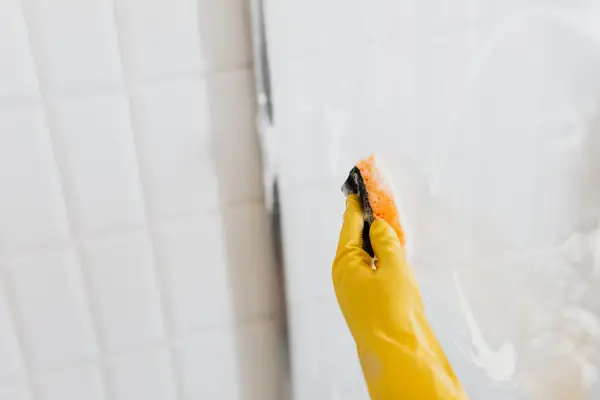
1. Wipe the glass and sill every morning
Do this before anything else. Left to sit, the water soaks into wooden frames, runs onto the plaster and gives mould a head start. A microfibre cloth, an old towel or kitchen paper is enough. Wring it out in the sink, not on the floor, and dry the rubber or timber as well as the glass.
A two-minute wipe does not solve the cause, but it stops yesterday's moisture doing more damage while you work on ventilation.
2. Leave trickle vents open, even in winter
Those slim vents at the top of many uPVC windows are there to let a little moist air out without throwing the window wide. They only work if they are open and not painted or taped over.
If you have no trickle vents, open the window for about ten minutes each morning. A short, sharp airing changes the air without cooling the walls right through. Cross-ventilation, with a door or a second window open at the same time, works faster.
3. Cut moisture where it is made
Put lids on pans, run the cooker hood or a window while you cook, and keep the bathroom extractor on during a shower and for about 15 to 20 minutes afterwards. Have a bath? Same rule. Dry yourself in the bathroom with the door shut and the fan on, not with the door open onto a cold hallway.
Everyday living makes a surprising amount of water: cooking, showers, kettles, even breathing. If that moisture has no way out, it will show up on the coldest glass in the house.
4. Dry washing in one room, not all over the house
Drying clothes on radiators or on airers in every room is one of the biggest reasons UK windows run wet in winter. Put the airer in a single room, shut the door, and open a window or the trickle vents so the moisture can leave. Space the items out so air can move around them.
If you can, avoid drying a full load overnight in a bedroom you then sleep in. There is a separate tip page on drying washing indoors without causing damp.
5. Keep a little background heat on
Condensation forms when warm, wet air meets a cold surface. Letting a room go stone cold overnight, then heating it hard in the morning, makes the glass a perfect place for water to collect. A little steady heat, with the vents still open, is kinder to the windows than big swings.
You do not need to heat unused rooms to a high temperature. You do want to avoid ice-cold walls and glass in the rooms you actually live and sleep in.
6. Give furniture and curtains a bit of space
Wardrobes, beds and sofas pushed tight against a cold outside wall trap still, damp air behind them. Leave a small gap so air can circulate. In the morning, pull the curtains back fully so the glass can dry, rather than leaving wet fabric sitting against a wet pane.
7. Know when it is not just condensation
Condensation sits on cold surfaces and is usually worse after a cold night, a shower or a washing day. A damp patch that appears after heavy rain, a wet wall near a pipe, or a tide mark low down is more likely a leak or another kind of damp. In a rented home, report that to your landlord. GOV.UK's damp and mould guidance is the right starting point if you are unsure.
FAQs
Why are my windows wet only in the morning?
Overnight the heating often drops, the glass gets colder, and a closed bedroom fills with moisture from breathing and skin. When that warm air hits the cold pane, the water condenses. It is most visible first thing, before you air the room.
Should I leave the window open all night?
A small opening or an open trickle vent can help, but a wide-open window all night in midwinter will chill the room and can be a security worry. A short airing in the morning, plus vents left open, is enough in most homes.
Does wiping the windows actually help?
Yes, as a daily habit. It does not remove the moisture you are still adding to the air, but it stops standing water damaging frames, sills and plaster, and it takes away the damp surface mould likes to grow on.
Is wet glass a sign of poor windows?
Not always. Even fairly new double glazing can run wet if the room is humid and the vents are closed. If the moisture is between the two panes, the seal may have failed. Moisture on the room side of the glass is almost always condensation.
When should I worry about mould?
If you see black spots on seals, sills or the wall beside the window, deal with the mould and then use the ventilation and moisture steps here so it does not return. Our guide to getting rid of black mould covers the safe clean-up in more detail.
If anything on this page looks wrong or out of date, let me know.