Health & Fitness buying guides
Smart scales, light boxes and everyday wellbeing kit, described plainly with no miracle claims.
 Home Office & Tech
Best SAD lamps and wake-up lights for dark UK winter mornings
Seven SAD lamps and wake-up lights from Lumie, Beurer and Philips, with NHS advice on light therapy.
New · Updated 20 October 2026Read the guide →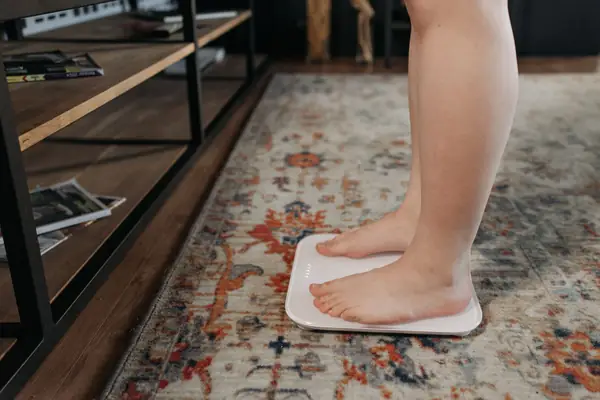 Health & Fitness
Best smart scales UK 2026: what they measure and which apps they work with
Eight smart scales compared: what each measures, which apps it syncs with (Apple Health, Garmin, Fitbit, Samsung Health) and how many users it supports.
New · Updated 24 October 2026Read the guide →Everyday health and fitness kit, described plainly
This section covers home kit that helps you keep track of everyday habits: smart scales that log your weight and body composition to an app, and SAD lamps for brighter winter mornings. We describe what each product measures or does, using the makers' own specifications, and we don't make medical claims. These products aren't medical devices, so talk to your GP or pharmacist about any health concern.
Smart scales: what the numbers mean
Every smart scale weighs you accurately enough for home use, but body fat, muscle and water figures are estimates. They come from bioelectrical impedance, a small current passed through your feet (and hands, on some models), and can shift with hydration, the time of day and when you last ate or exercised. Weigh at the same time each day and watch the trend rather than any single reading. Check the safety notes too: makers advise against body composition readings if you have a pacemaker or other implanted electronic device.
Pick the app first
The scale's app matters as much as the hardware. If you already use Garmin Connect, Apple Health, Google Health Connect, Samsung Health or Fitbit, choose a scale that syncs with it, so your readings sit alongside your steps, workouts and sleep.